Dimpleflo Tubular Heat Exchangers

Waste Water
Heat Exchanger Retubing Solutions
by Dimpleflo™

Dimpleflo™ retubing solutions restore wastewater heat exchangers to optimal performance. These solutions reduce fouling, enhance heat transfer, and support reliable plant operation.

Improved Heat Transfer

Enhances efficiency and lowers operating costs.

REDUCED FOULING & CORROSION

Dimpled tubes resist fouling and wear.

EXTENDED EQUIPMENT LIFE

Get more from your existing heat exchangers.

ENHANCED RELIABILITY

Improve uptime and plant performance.

COST-EFFECTIVE SOLUTION

A practical alternative to full equipment replacement.

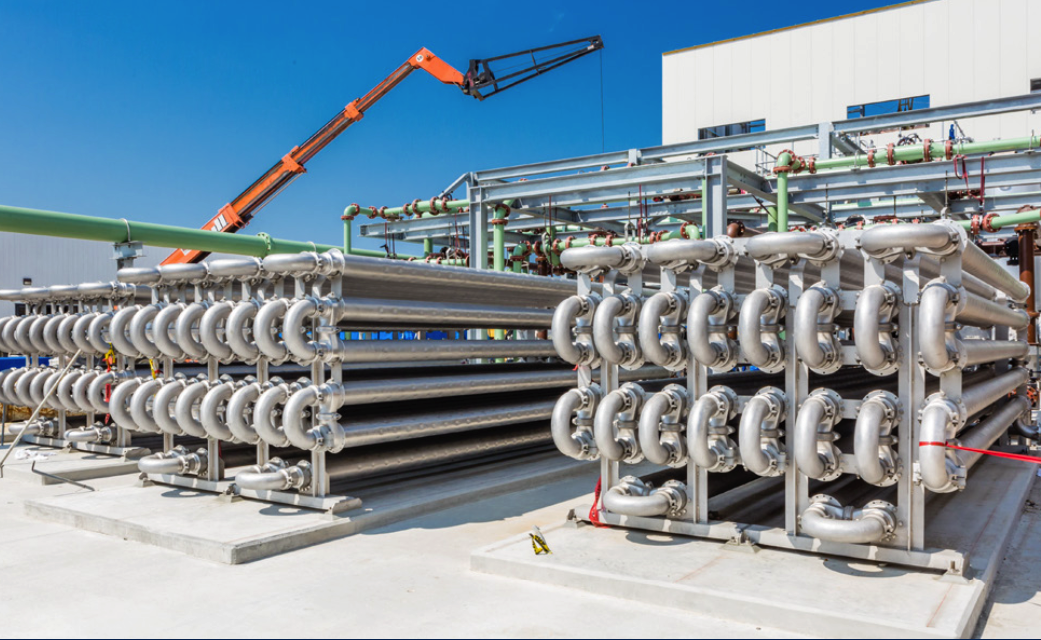
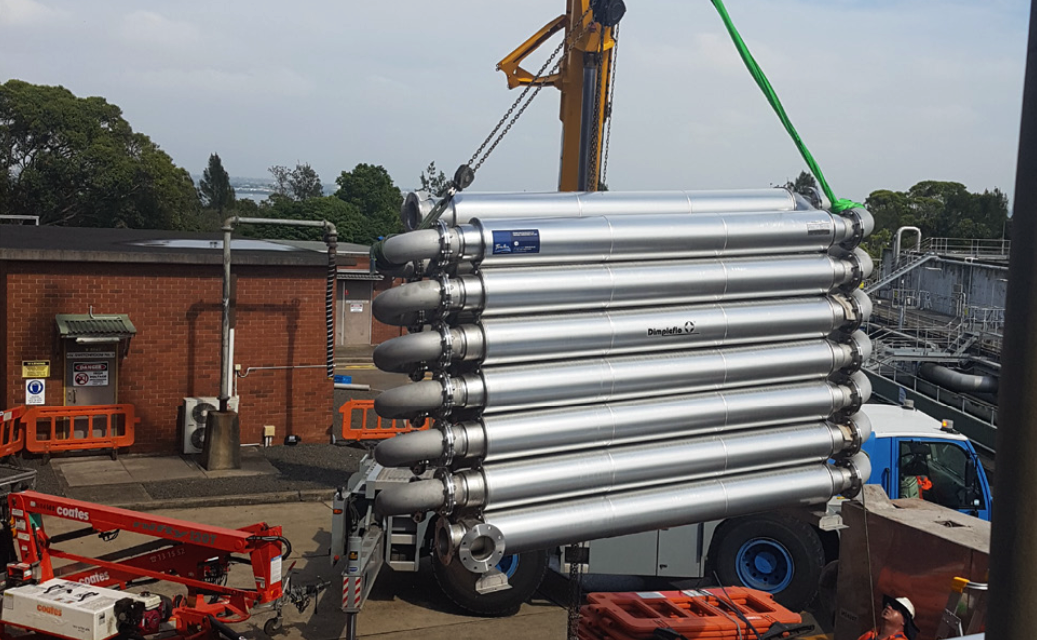
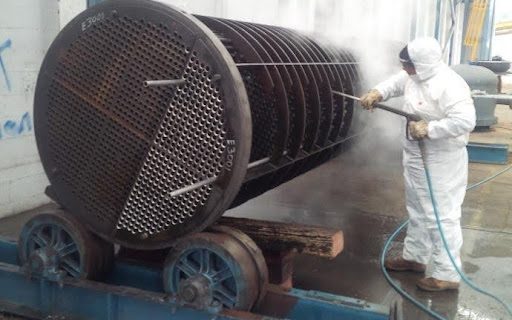
Before and After Waster Water Heat Exchanger Retubing Solutions

Heat Exchanger Retubing Solutions for Waste Water Treatment Applications

Wastewater treatment plants face some of the toughest heat transfer challenges. Sludge, solids, grease, minerals, and even biological growth flow through the system, gradually wearing down heat exchanger performance and putting plant reliability to the test.

When a wastewater heat exchanger loses efficiency, the issue often starts inside the tubes. Fouling, corrosion, wear, blockages or reduced flow can limit heat transfer and make the unit harder to operate and maintain.

Dimpleflo™ provides heat exchanger retubing solutions for wastewater applications, helping operators restore performance in existing assets. By replacing underperforming tubes with Dimpleflo™ dimpled tube technology, wastewater facilities can improve heat transfer, reduce fouling and extend the life of suitable equipment.

Before and After Waster Water Heat Exchanger Retubing Solutions

Wastewater Applications for Dimpleflo™ Heat Exchanger Retubing

Sludge Heating

Sludge heating requires reliable heat transfer in a process stream that is thick, biologically active and high in solids. Dimpleflo™ retubing helps restore performance in existing sludge heat exchangers affected by fouling, wear or reduced thermal efficiency.

Anaerobic Digestion Support

Anaerobic digestion relies on stable process temperatures. If the heat exchanger is fouled or underperforming, maintaining the conditions required for efficient digestion becomes harder. Dimpleflo™ retubing can improve sludge heating reliability by enhancing heat transfer in the existing exchanger.

Sludge Cooling

Some wastewater processes require sludge or treated streams to be cooled before storage, transfer or further treatment. When exchangers lose cooling efficiency, retubing helps restore performance and improve process control.

Waste Heat Recovery

Wastewater treatment plants recover heat from warm process streams to improve energy efficiency. If the exchanger is fouled or no longer transfers heat effectively, Dimpleflo™ retubing improves recovery performance.

Industrial Wastewater Processing

Industrial wastewater contains oils, residues, solids, chemicals and other materials that create difficult heat transfer conditions. Dimpleflo™ retubing suits challenging applications where conventional tubes are affected by fouling or reduced efficiency.

Effluent Temperature Control

Effluent heating or cooling is required for process control, discharge requirements or downstream treatment stages. Dimpleflo™ retubing helps restore heat exchanger performance when tubes limit temperature control.

Dimpleflo™ Profile Range
for Oil and Gas Heat Exchanger Retubing

Dimpleflo™ heat exchanger retubing solutions are available with a range of engineered dimple profiles designed to meet the demanding conditions of the oil and gas industry. By selecting the correct dimple profile, operators can optimise thermal performance, extend uptime, and significantly reduce operating costs while maximising the life of existing heat exchanger assets.

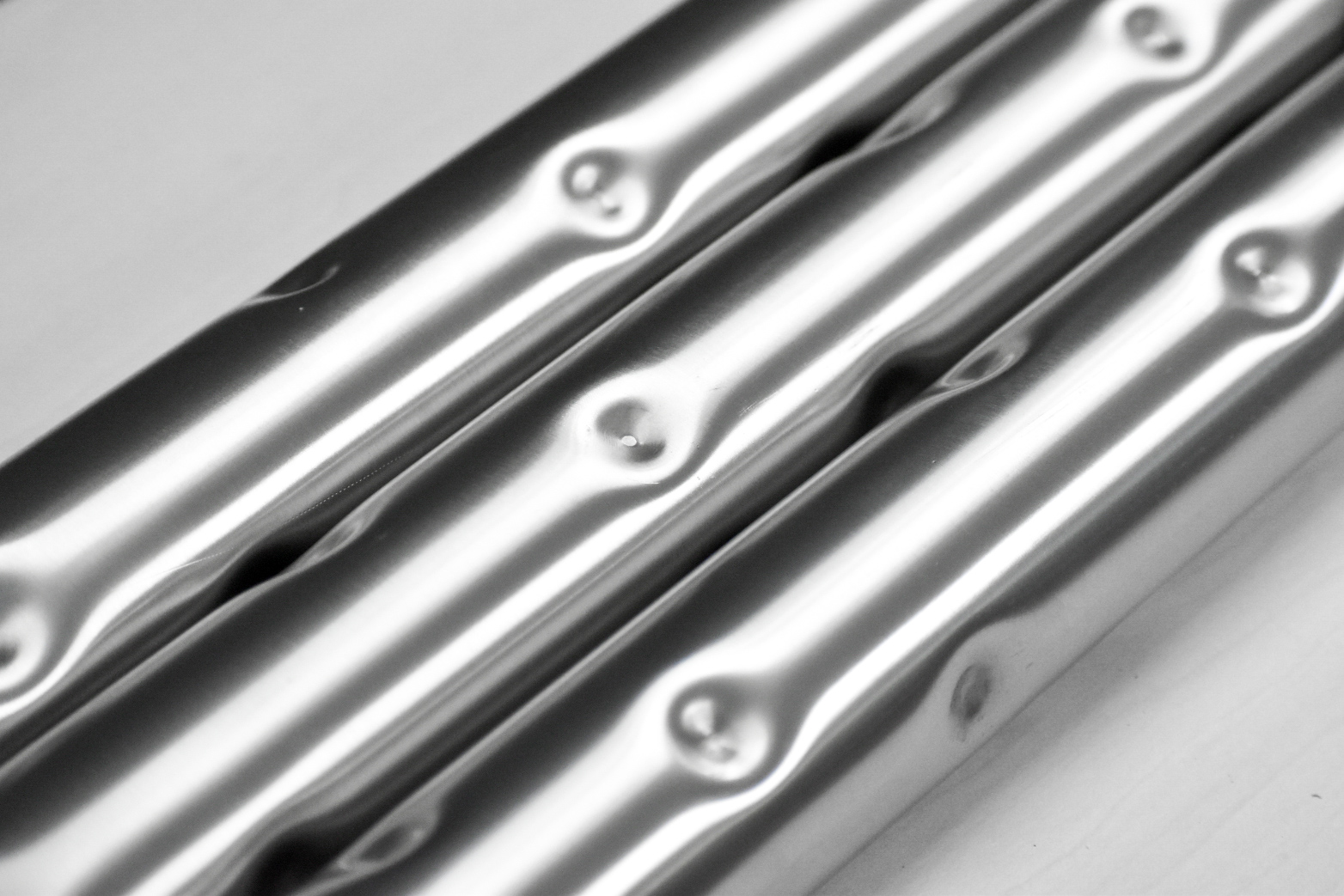
Shallow Dimple Profile

Shallow Dimple Profile

Optimised for retubed heat exchangers handling low-density media such as natural gas and process vapours. The shallow profile achieves efficient thermal transfer with minimal pressure drop, making it well suited to gas treatment and vapour recovery duties.
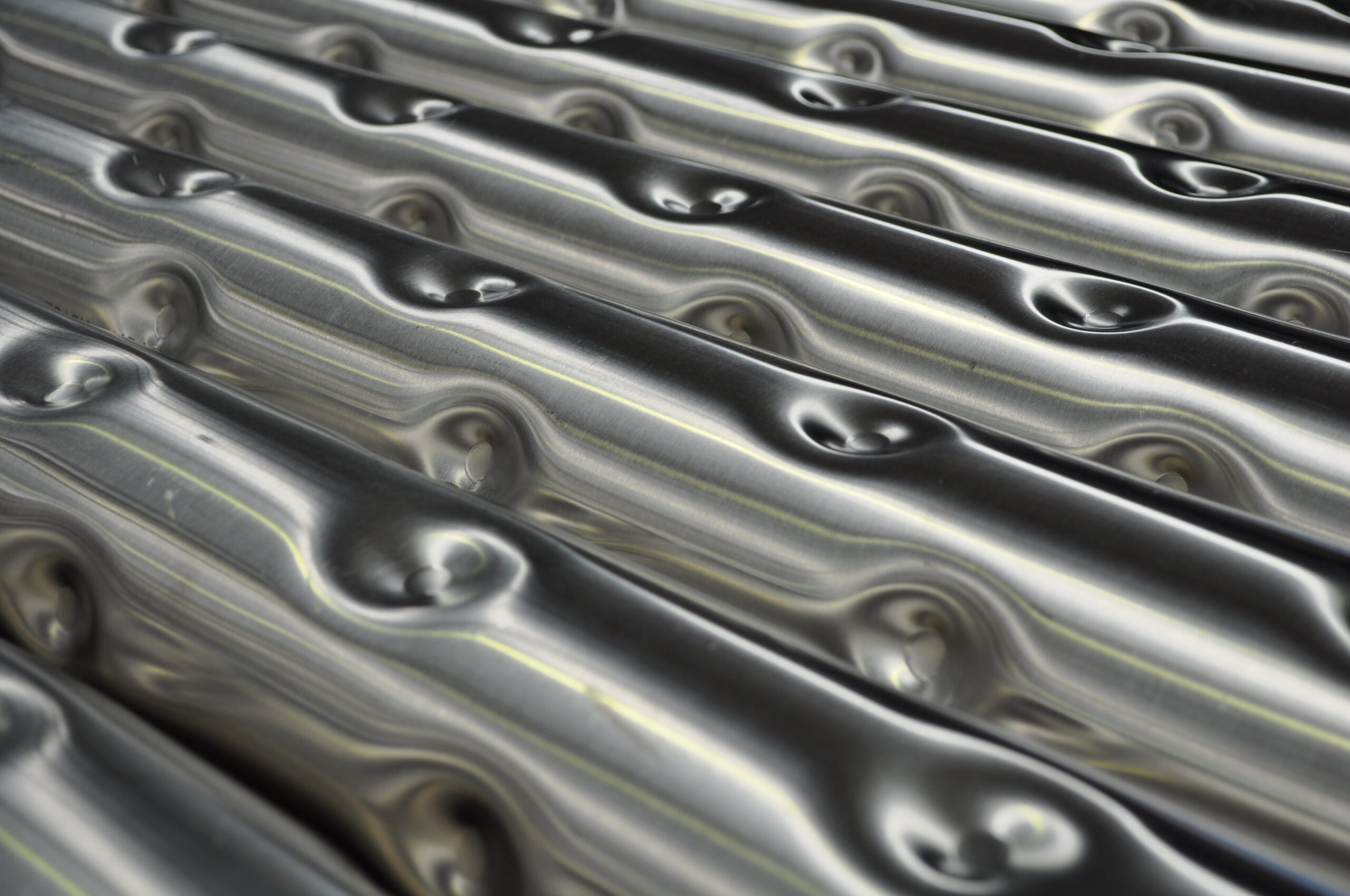
Medium Dimple Profile

Standard Profile Range

The standard profile for retubed heat exchangers in Oil & Gas operations, balancing flow capacity with heat transfer performance. Ideal for water, crude oil, and common process fluids, it ensures reliable efficiency across upstream, midstream, refining, and petrochemical applications.

Heavy Dimple Profile

Heavy Profile Range

Engineered for retubed heat exchangers managing high-viscosity or fouling fluids such as heavy hydrocarbons, slurries, and solids-laden produced water. The heavy profile delivers strong thermal efficiency, extended run times, and easier cleaning under the most challenging Oil & Gas operating conditions.
Why Choose Dimpleflo™ for Wastewater Heat Exchanger Retubing?

Dimpleflo retubing is more than a maintenance fix; it is a proven strategy for extending the life and performance of critical heat exchangers in waste water industry operations.

Specialist Dimpled Tube Technology

Dimpleflo™ technology is built around a dimpled tube profile that increases turbulence and improves heat transfer. This makes it highly relevant for wastewater applications where fouling, viscosity and solids can reduce exchanger performance.

Designed for Fouling and Viscous Fluids

Wastewater, sludge and industrial effluent can be difficult to heat or cool consistently. Dimpleflo™ retubing is suited to process streams where fouling risk and fluid behaviour make standard heat transfer less effective.

Practical Upgrade for Existing Heat Exchangers

Retubing allows wastewater operators to improve suitable existing heat exchangers rather than replacing the complete unit. This can be valuable where the existing shell, footprint and plant connections remain usable.

Customised to Site Conditions

Each wastewater application has different operating requirements. Dimpleflo can consider process temperature, pressure, flow behaviour, fouling risk, viscosity, cleaning requirements and available space when recommending a retubing solution.

Built Around Long Term Reliability

Dimpleflo™ retubing helps address the tube side issues that often cause wastewater heat exchangers to lose performance. By improving internal heat transfer and reducing fouling impact, Dimpleflo supports more reliable plant operation.

Built Around Long Term Reliability

Dimpleflo™ retubing helps address the tube side issues that often cause wastewater heat exchangers to lose performance. By improving internal heat transfer and reducing fouling impact, Dimpleflo supports more reliable plant operation.

In Application

Find quick answers about Dimpleflo™ retubing for Waste Water heat exchangers, covering performance, maintenance, and technical details.

Frequently Asked Questions

Find quick answers about Dimpleflo™ retubing for Oil & Gas heat exchangers, covering performance, maintenance, and technical details.

What is heat exchanger retubing for wastewater applications?

Heat exchanger retubing is the process of renewing an existing heat exchanger by removing underperforming tubes and installing new tubes. In wastewater applications, retubing can help restore heat transfer performance, reduce fouling impact and extend the service life of suitable existing equipment.
Heat exchanger tube replacement involves replacing damaged, leaking, corroded, blocked, or inefficient tubes. It may be required when the heat exchanger body remains suitable, but the tubes can no longer perform reliably.
Wastewater operators should consider heat exchanger retubing when:
  • The exchanger no longer reaches the required temperature.
  • The tubes are fouling faster than expected.
  • Cleaning is becoming more frequent.
  • Sludge or solids are restricting flow.
  • tubes are leaking, corroded or worn
  • Energy use has increased for the same heating or cooling duty.
  • Maintenance costs are rising.
  • The existing heat exchanger body is still suitable.
  • plant space makes full replacement difficult.
  • Poor heat transfer is affecting process stability.
If these issues are present, Dimpleflo™ can assess the heat exchanger and recommend a suitable retubing solution for the application.
Wastewater heat exchangers foul because process streams can contain sludge, suspended solids, grease, minerals, organic matter, biological growth and chemical residues. These materials can build up on tube surfaces, restrict flow and reduce heat transfer efficiency.
Dimpleflo™ tubes use a dimpled profile that increases turbulence inside the tube. This helps disrupt boundary layers, reduce stagnant flow zones and support more effective heat transfer in fouling or viscous wastewater streams.
Heat exchanger tube replacement may be needed when tubes are worn, damaged, leaking, corroded, blocked or no longer transferring heat effectively. In wastewater applications, this can happen due to fouling, abrasive solids, chemical exposure or ageing equipment.
Retubing may be a better option when the existing heat exchanger shell or body remains suitable. It can restore performance while avoiding unnecessary full equipment replacement, major layout changes or additional plant space requirements.
Yes, where the existing heat exchanger design and operating conditions are suitable, Dimpleflo can replace standard tubes with Dimpleflo™ dimpled tube technology to improve turbulence and heat transfer performance.
Dimpleflo™ retubing can support sludge heating, sludge cooling, anaerobic digestion, wastewater heat recovery, industrial wastewater processing, and effluent temperature control.
Signs include reduced heating or cooling performance, frequent fouling, blocked tubes, tube leaks, corrosion, increased energy use, more cleaning and difficulty maintaining process temperature. A retubing assessment can help determine the right solution. Before committing to heat exchanger retubing, wastewater plant operators often need to understand how the project will affect uptime, cost, compatibility, maintenance and expected performance. These questions are important because wastewater treatment plants often operate continuously, with limited room for extended shutdowns or trial and error.
The timeframe for retubing depends on the heat exchanger size, tube condition, accessibility, inspection requirements, fabrication needs and site shutdown schedule. For wastewater plants, the process should be planned around operational priorities to minimise disruption where possible. Dimpleflo can review the existing heat exchanger and provide guidance on expected turnaround time, required preparation, and any shutdown considerations before the work begins.
Compatibility depends on the existing heat exchanger design, shell condition, tube sheet configuration, operating pressure, temperature requirements, flow conditions and available space inside the unit. Dimpleflo can assess whether the existing heat exchanger is suitable for retubing with Dimpleflo™ dimpled tube technology. This makes the service relevant for operators looking to upgrade existing equipment rather than automatically replacing the full unit.
Ongoing maintenance will depend on the wastewater stream, fouling load, solids content, cleaning method and operating conditions. Dimpleflo™ dimpled tubes are designed to improve turbulence and reduce stagnant zones, but wastewater heat exchangers should still be inspected and maintained as part of a planned maintenance program. After retubing, operators may review cleaning intervals, pressure drop, temperature performance and fouling trends to understand how the upgraded exchanger is performing in service.
The cost of retubing depends on the size of the exchanger, the number of tubes, the tube material, access requirements, the condition of the existing unit, and the project scope. In suitable applications, retubing may be more practical than full replacement because it can retain the existing shell, footprint and plant connections. Compared with standard tube replacement, Dimpleflo™ retubing may offer added performance value by upgrading the exchanger with dimpled tube technology rather than simply replacing like for like tubes.
Wastewater operators may want to understand expected improvements before proceeding. Relevant performance indicators may include improved heat transfer, reduced fouling impact, longer cleaning intervals, better temperature control, improved flow behaviour, or increased usable capacity within an existing exchanger. Dimpleflo can review the application and discuss suitable performance expectations based on the existing equipment, process conditions and wastewater duty.

Still have questions? Contact us to discuss your specific oil and gas heat exchanger retubing requirements and applications.