
Chemical Industry
Heat Exchanger Retubing Solutions
by Dimpleflo™
- Durability
- Energy Efficiency
- Custom Design
- Fast Turnaround
- Maintenance & Lifecycle Support
Improved Heat Transfer
Recover lost thermal performance in chemical process heat exchangers.
REDUCED FOULING & CORROSION
Support cleaner operation in fouling-prone chemical streams.
EXTENDED EQUIPMENT LIFE
Renew existing heat exchanger assets through specialist retubing.
ENHANCED RELIABILITY
Improve temperature control, uptime and plant performance.
COST-EFFECTIVE SOLUTION
A practical alternative to full equipment replacement.

Heat Exchanger Retubing Solutions for Chemical Industries
Chemical processing plants rely on heat exchangers for controlled heating, cooling, temperature stabilisation and energy recovery. Over time, process streams can cause fouling, scaling, deposit build-up, corrosion-related tube damage or restricted flow, reducing the heat exchanger’s ability to operate efficiently.
- SCALE
- POLYMER BUILD-UP
- CRYSTALLISATION
- PROCESS RESIDUES
- CORROSION-AFFECTED TUBE BUNDLES
- VISCOUS CHEMICAL FLUIDS
When chemical industry heat exchangers begin to lose efficiency, the problem often starts within the tube bundle. Deposits can create an insulating layer, restrict flow, increase pressure drop and make the unit harder to clean or control.
Dimpleflo™ provides retubing solutions for chemical processing plants where existing heat exchanger assets are still suitable for renewal. Instead of replacing the entire unit, underperforming tubes can be replaced with Dimpleflo™ dimpled tubes to improve turbulence, heat transfer, and resistance to fouling-related performance loss under appropriate process conditions. Each retubing project should be reviewed against the chemical duty, cleaning method, operating temperature, pressure, flow rate and tube material requirements.
Heat Exchanger Retubing Applications for Chemical Processing Plants
Chemical Process Heating
Chemical process heating depends on consistent heat transfer to support reaction control, viscosity management, flow stability and product quality. Dimpleflo™ retubing helps recover performance in exchangers affected by fouling, scaling or worn tubes.
Chemical Process Cooling
Cooling duties are essential for reaction control, batch cooling, product cooling and temperature stabilisation. Retubing can help restore cooling capacity when tube-side fouling or deterioration is limiting performance.
Viscous Chemical Fluids
Viscous fluids can be difficult to heat or cool efficiently, especially when deposits form inside the tubes. Dimpleflo™ dimpled tube technology helps improve flow behaviour and heat transfer in appropriate viscous chemical applications.
Polymer, Resin and Adhesive Processing
Polymers, resins and adhesives can create sticky, fouling-prone conditions that reduce exchanger efficiency between cleaning cycles. Dimpleflo™ retubing supports more reliable operation in suitable chemical process streams where fouling is a recurring issue.
Scaling and Crystallising Liquids
Scale, salts and crystals can reduce heat transfer by forming insulating layers inside the tubes. Retubing with Dimpleflo™ dimpled tubes can help restore performance where scaling or crystallisation has reduced thermal efficiency.
Corrosion-Affected Tube Bundles
Where corrosion has affected tube integrity, retubing can renew the tube bundle with materials selected for the specific chemical duty. Suitability depends on fluid compatibility, operating temperature, pressure and site conditions.
Solvent and Process Liquid Temperature Control
Solvents and other chemical liquids often require stable temperature control for safe, efficient production. Dimpleflo™ retubing can help improve control when fouling, wear, or tube deterioration are affecting heat transfer.
Chemical Plant Recovery
Chemical plants often recover heat from warm process streams to reduce energy use. When fouling or scaling reduces recovery efficiency, retubing can improve heat transfer and enhance energy performance.
Dimpleflo™ Profile Range
for Chemical Heat Exchanger Retubing
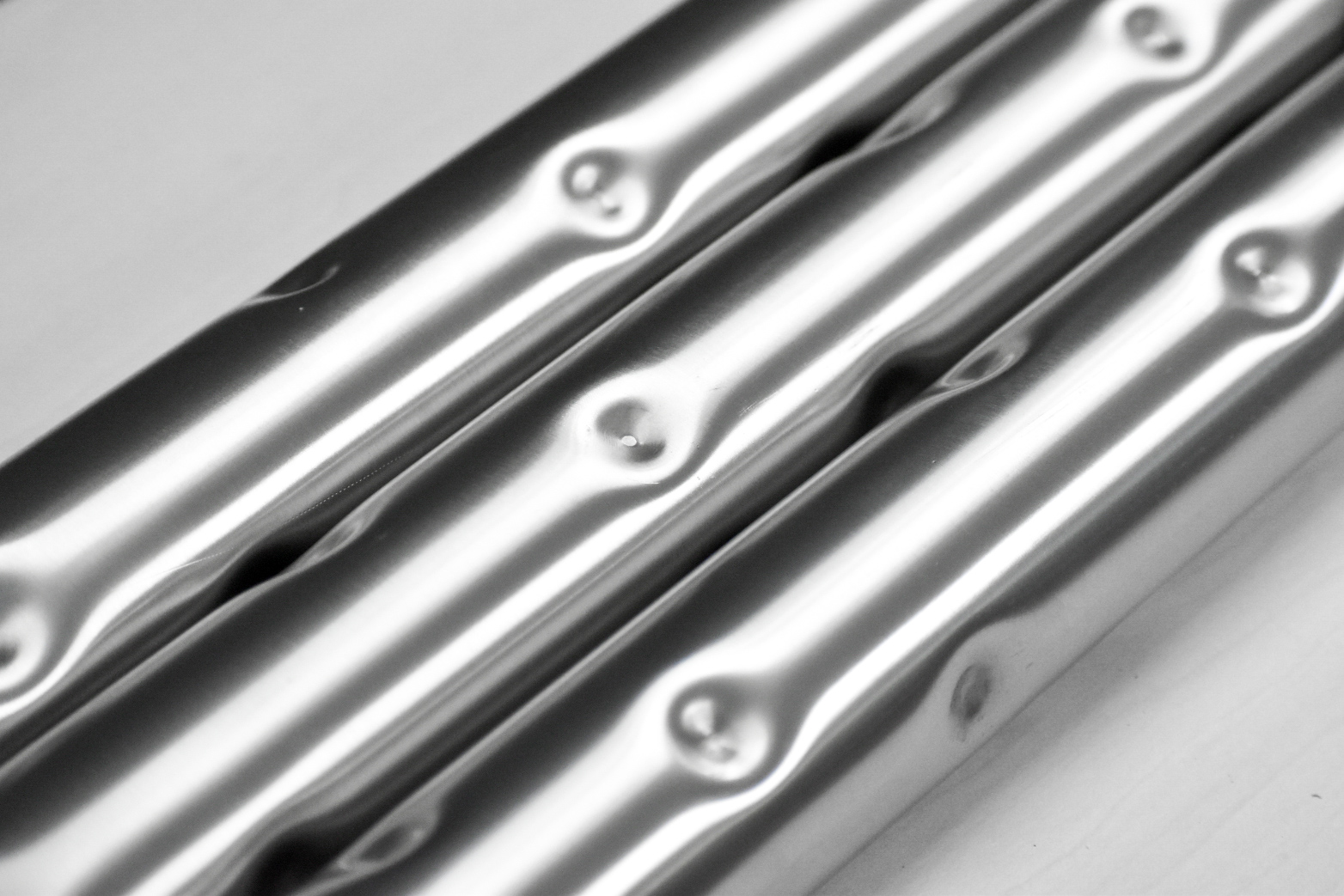
Shallow Dimple Profile
Suitable for lower-viscosity chemical liquids, solvents, condensates and lighter process streams where efficient heat transfer is required with controlled pressure drop.
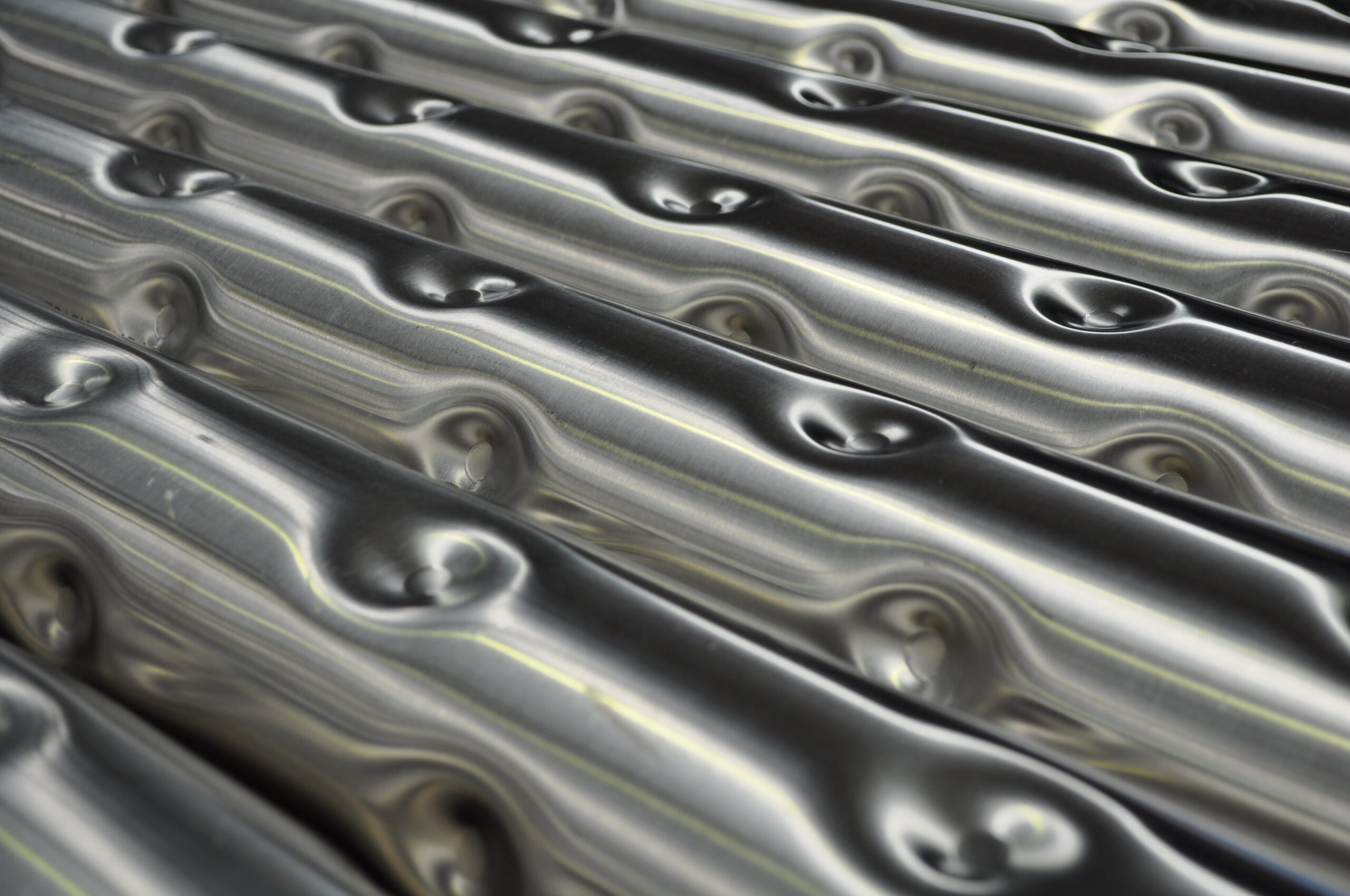
Standard Profile Range
A practical profile for many chemical process heat exchangers, balancing flow capacity with heat transfer performance across general heating, cooling and process liquid duties.

Heavy Profile Range
Designed for more demanding duties involving viscous, fouling-prone or deposit-forming fluids such as polymers, resins, slurries, scaling liquids and solids-laden chemical streams.
Why Chemical Plants Choose Dimpleflo™ Retubing Solutions
Specialist Dimpled Tube Technology
Designed for Fouling-Prone Chemical Streams
Fouling-Resistant Tube Upgrade
Alternative to Full Heat Exchanger Replacement
Full heat exchanger replacement can be costly, disruptive and time-consuming, especially in chemical processing environments where downtime directly affects production. Dimpleflo™ retubing offers an alternative by renewing suitable existing heat exchangers with upgraded tube technology, extending equipment life and improving performance without the need for a complete system replacement.
Customised to Process Conditions
Built Around Long-Term Reliability
Dimpleflo™ retubing is designed to support long-term reliability in chemical industry heat exchangers by addressing common causes of poor performance, including fouling, scaling, corrosion-affected tubes and reduced heat transfer. By upgrading suitable equipment with durable dimpled tube technology, chemical plants can improve operational consistency, reduce unplanned maintenance and support more efficient process performance.
In Application
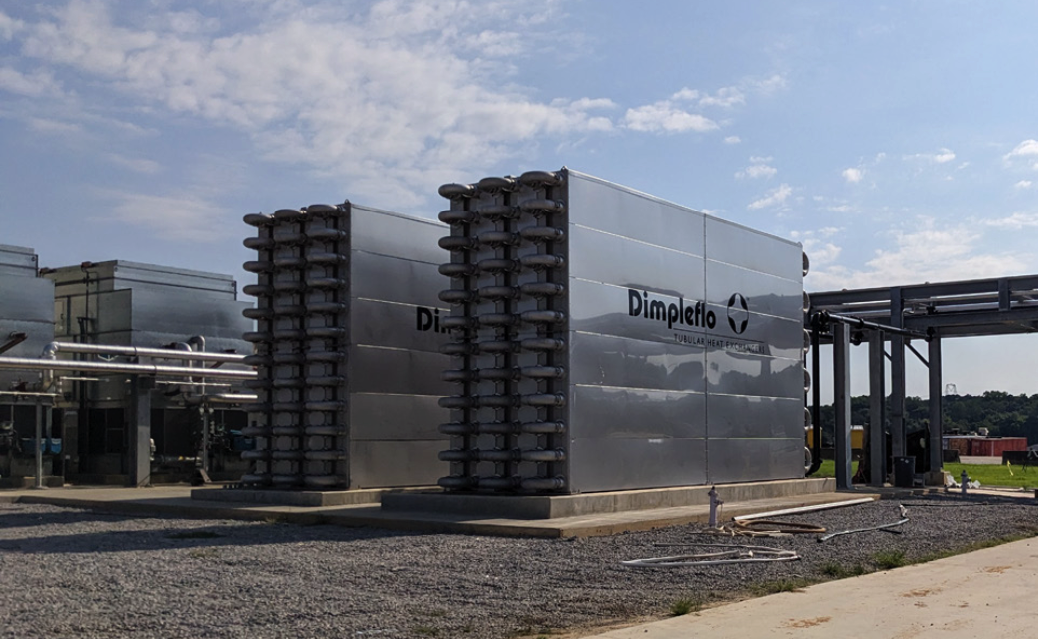
Two 72T 168 219 9000 I MAN Dimpleflo units used to cool biomass after heat treatment, ready for processing in huge digesters.
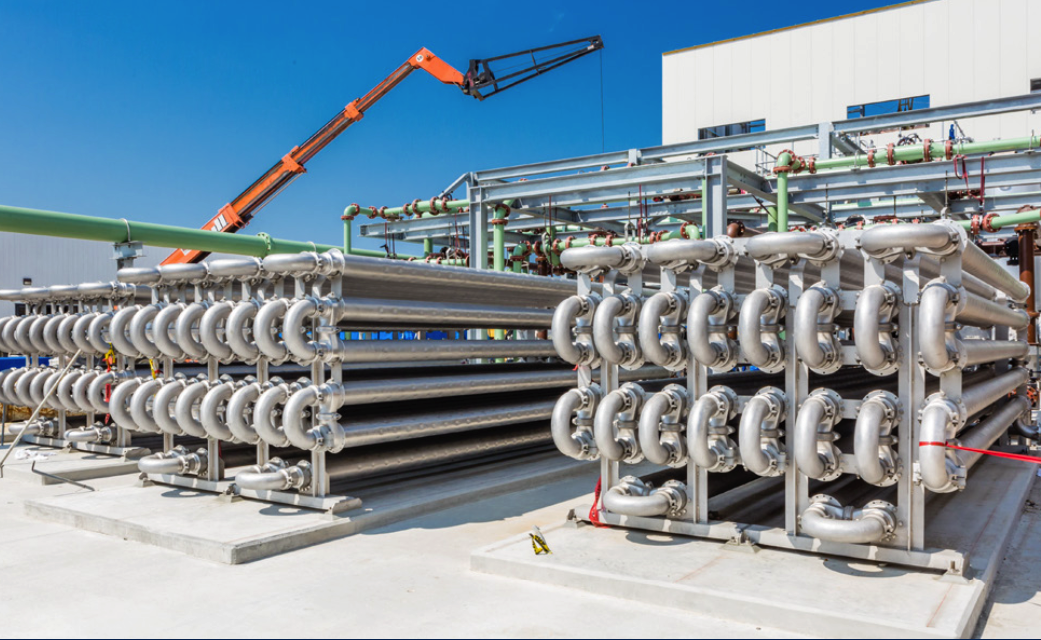
Two duty and one standby Dimpleflo heat exchangers used for cooling THP Sludge in a new technology treatment plant.

Dimpleflo heat exchanger with a closed circuit cooling loop for processing up to 80% solids.
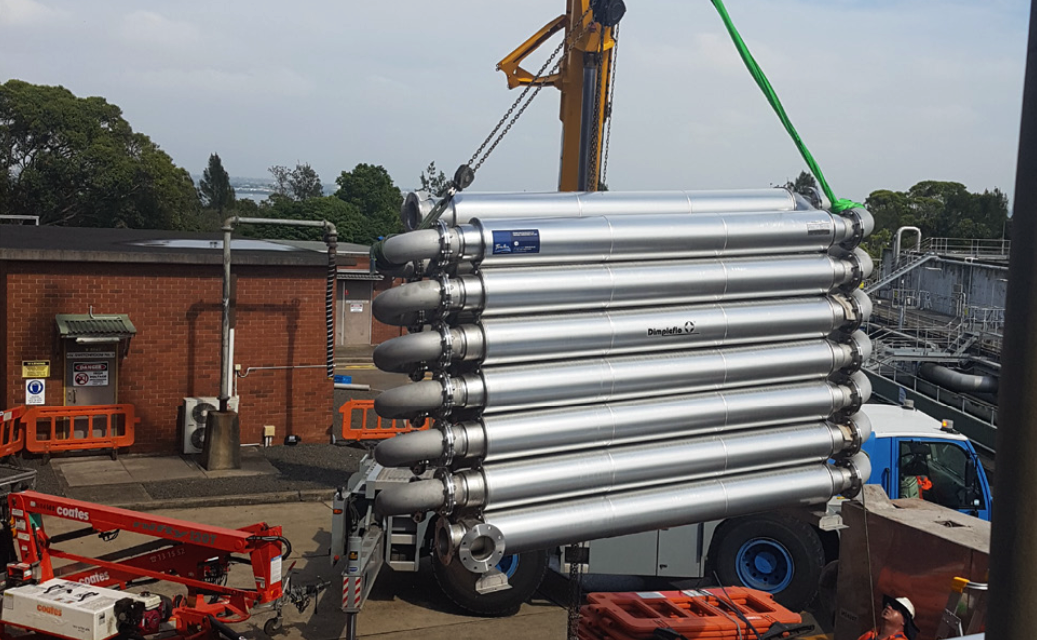
Dimpleflo installation for traditional sludge heating in an anaerobic digestor.
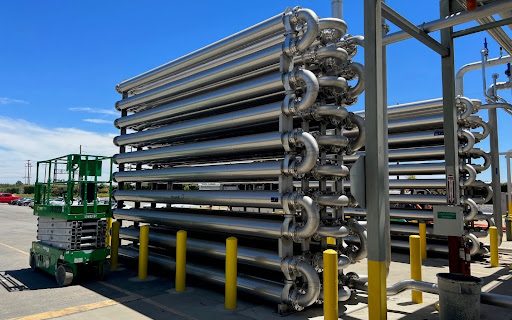
Design and manufacture of an additional must chiller unit for installation in a large California winery.
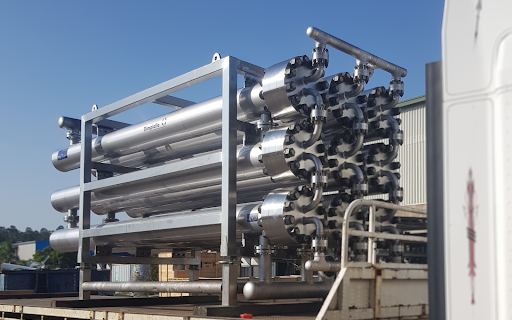
Design and manufacture of 2 x containerised heat exchangers capable of operating at high temperature and extreme pressure.
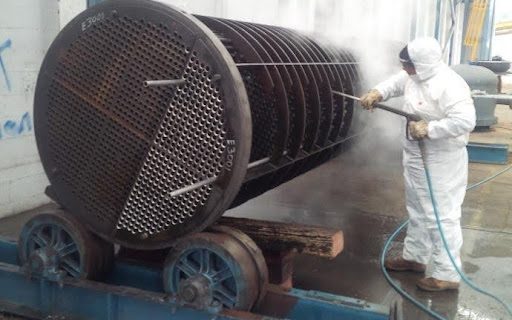
Dimpleflo shell and tube heat exchanger replacement of a plate heat exchanger in a viscous, fouling application.
Frequently Asked Questions
What is heat exchanger retubing in the chemical industry?
Heat exchanger retubing renews an existing heat exchanger by removing underperforming tubes and installing new tubes. In chemical industry applications, retubing can help restore heat transfer, reduce fouling impact and extend the service life of suitable equipment.
For chemical plants experiencing fouling, scaling, corrosion, or reduced efficiency, retubing can be a practical way to restore performance without replacing the entire heat exchanger. Dimpleflo™ retubing solutions can upgrade suitable exchangers with dimpled tube technology to improve heat transfer and reliability.
What is heat exchanger tube replacement?
When should chemical plants consider retubing heat exchangers?
Why do chemical heat exchangers foul?
How does Dimpleflo™ help reduce fouling impact?
Is Dimpleflo™ an anti-fouling heat exchanger solution?
Is retubing better than replacing the full heat exchanger?
What chemical industry applications can Dimpleflo™ support?
Can Dimpleflo™ retubing be used where corrosion has affected the tubes?
How do I know if my chemical heat exchanger needs retubing?
How long does the retubing process typically take?
How does the cost of Dimpleflo™ retubing compare to full replacement?
Still have questions? Contact us to discuss your specific chemical heat exchanger retubing requirements and applications.